
Mother's Day: May 12, 2024
Mother’s Day is near, so it’s time to celebrate the moms in your life with a delicious
Mother's Favorite Family Meal
Mother's Day is a time to honor the incredible women in our lives - a day to show gratitude, love, and appreciation for all the sacrifices, care, and unconditional love mothers provide.
Celebrating Mother's Day with activities that involve the whole family can create memorable moments and strengthen bonds.
Here are some Mother's Day Activities
Remember, the most important thing is to spend quality time together and show Mom how much she is loved and appreciated on her special day.
Crafting Session: Set up a crafting station where family members can make personalized gifts for Mom. Ideas include homemade cards, photo albums, painted pots with flowers, or a DIY spa kit.
Family Movie Marathon: Let Mom choose her favorite movies, and spend the day cuddled up together watching them. Don't forget the popcorn and cozy blankets!
Nature Walk or Hike: Take a leisurely walk or hike in nature. Enjoy the scenery, breathe in the fresh air, and appreciate the beauty of the outdoors together as a family.
Family Game Night: Plan a fun-filled game night with Mom's favorite board games or card games. Turn off electronics and focus on spending quality time together laughing and bonding over friendly competition.
Family Photoshoot: Capture special moments with a family photoshoot. Choose a scenic location or set up a backdrop at home, and take turns posing for pictures together. These photos will be cherished keepsakes for years to come.
Garden or Planting Day: Spend the day gardening together as a family. Plant flowers, herbs, or vegetables in the garden or in pots. It's a relaxing and rewarding activity that Mom will appreciate.
Homemade Spa Day: Create a spa-like atmosphere at home with DIY facials, massages, and manicures. Use natural ingredients like cucumber slices, homemade scrubs, and essential oils for a pampering experience.
Family Bike Ride: Go for a leisurely bike ride together, exploring local trails or bike paths. Pack a picnic to enjoy halfway through the ride.
DIY Family Art Project: Set up an art station with canvases, paints, and brushes, and let everyone create their own masterpiece. Display the finished artwork in the house as a reminder of the special day.
Family Volunteer Day: Spend the day giving back to the community by volunteering together. Choose a local charity or organization that Mom cares about and offer your time and assistance.
Backyard Campout: Set up tents in the backyard and spend the night camping under the stars. Roast marshmallows, tell ghost stories, and enjoy the simplicity of outdoor living together.
Family Yoga Session: Practice yoga together as a family, either outdoors in the park or indoors in the living room. Follow along with a family-friendly yoga video or lead your own session, focusing on relaxation and mindfulness.
Memory Lane Adventure: Take a trip down memory lane by looking through old photo albums or watching home videos together. Share stories and reminisce about favorite family moments.
Family Karaoke Night: Host a karaoke night at home, with everyone taking turns singing Mom's favorite songs. Create a playlist of her favorite tunes and let the music fill the house with joy and laughter.
Family Puzzle Challenge: Work together to complete a large jigsaw puzzle as a family. Set up a designated puzzle area and spend the day collaborating and problem-solving to piece it together.
Family Book Club: Choose a book to read together as a family and schedule regular meetings to discuss each chapter. Encourage thoughtful conversations and insights while enjoying quality time together.
Outdoor Adventure Day: Plan an outdoor adventure such as kayaking, canoeing, or paddleboarding. Explore a nearby lake or river together and enjoy the thrill of new experiences as a family.
Family Talent Show: Showcase your talents by organizing a family talent show. Whether it's singing, dancing, magic tricks, or comedy sketches, everyone can participate and celebrate each other's unique abilities.
DIY Home Spa Retreat: Transform your home into a spa retreat with homemade facials, foot baths, and relaxation stations. Create a tranquil ambiance with candles, soothing music, and aromatherapy scents.
Family Board Game Marathon: Spend the day playing a variety of board games as a family. Set up different game stations around the house and rotate between them throughout the day for hours of fun and friendly competition.
Family Photography Expedition: Take a photography expedition together as a family, capturing moments and scenes that are meaningful to Mom. Explore different locations, experiment with different angles, and create lasting memories through photography.
These activities offer a diverse range of options for celebrating Mother's Day together as a family, ensuring that everyone can find something enjoyable to do while honoring and appreciating Mom.
Lunch & Dinner: Instead of cooking today, treat Mom by ordering a family meal from JeJe Mediterranean for up to four people. One family meal should suffice, but if you have a larger family, you can adjust your order accordingly.
This Mother's Day, why not celebrate these amazing women with a feast as delightful and vibrant as they are? At JeJe Mediterranean, located in the heart of Southern California, we're making this special day unforgettable with our signature Family Meal, designed to cater to the entire family's taste buds and make mom feel cherished.
A Taste of the Mediterranean That Feels Like Home
JeJe Mediterranean stands out as one of the TOP 10 BEST Restaurants Near Los Angeles, renowned for bringing authentic Mediterranean flavors to the local culinary scene. Our menu is a celebration of rich, authentic flavors crafted with the freshest ingredients, embodying the essence of Mediterranean cuisine right here in LOS ANGELES. For Mother's Day, we're spotlighting our Family Meal - a lavish spread that's not only economical but also perfectly designed to bring the family together around the table.
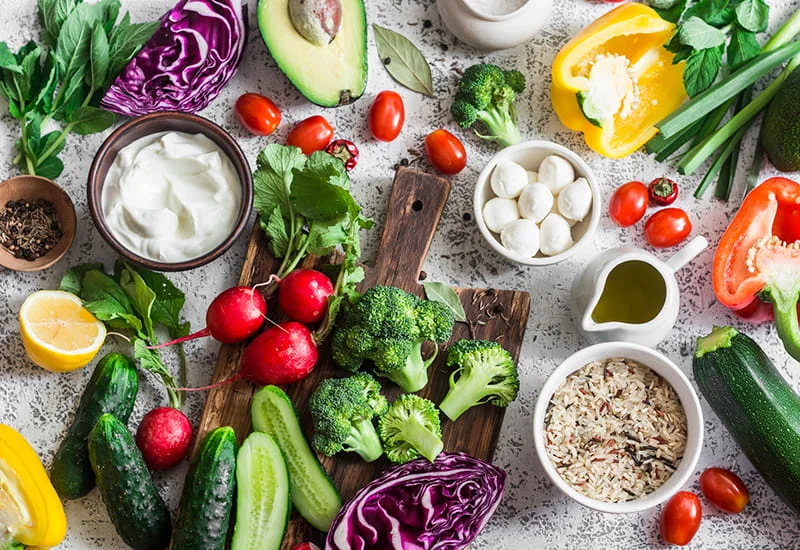
Mediterranean Cuisine
Mediterranean cuisine is a diverse culinary tradition from countries surrounding the Mediterranean Sea, including parts of Europe, Africa, and Asia. This cuisine is renowned for its emphasis on fresh ingredients, including fruits, vegetables, grains, fish, and seafood, as well as its use of olive oil, herbs, and spices to create vibrant, flavorful dishes. Mediterranean cuisine is also known for its health benefits, attributed to its focus on heart-healthy fats and a high consumption of plant-based foods.
One of the popular dishes within Mediterranean cuisine is shawarma, which is a type of street food originally from the Middle East, a region within the broader Mediterranean culinary sphere. Shawarma is made by stacking slices of seasoned meat, such as chicken, lamb, or beef, on a vertical spit.
Importance of the Mediterranean Diet
The Mediterranean diet is widely recognized for its numerous health benefits, largely stemming from its focus on whole foods, healthy fats, and a balance of nutrients. This diet is inspired by the eating habits of countries bordering the Mediterranean Sea, such as Greece, Turkey, Italy, and Spain. Here's why it's considered important for health and how Mediterranean cuisine plays a crucial role in it:
1. Heart Health: The diet is rich in monounsaturated fats from olive oil and polyunsaturated fats from nuts and seeds, which are known to improve heart health by reducing bad cholesterol levels and increasing good cholesterol levels. This reduces the risk of heart disease.
2. Weight Management: High in fiber from fruits, vegetables, and whole grains, the diet helps in weight management by promoting a feeling of fullness, reducing overall calorie intake.
3. Diabetes Prevention and Control: The Mediterranean diet helps regulate blood sugar levels through its high fiber content and healthy fats, making it beneficial for people with or at risk of type 2 diabetes.
4. Cognitive Health: Studies suggest that the antioxidants and healthy fats in the diet may reduce the risk of cognitive decline and improve brain function, potentially lowering the risk of developing neurodegenerative diseases like Alzheimer's.
5. Cancer Prevention: The diet's high levels of antioxidants, found in its fresh fruits and vegetables, protect cells from damage that can lead to cancer.
6. Longevity: The diet is associated with increased lifespan, likely due to its potential to reduce the risk of developing chronic diseases.
How Mediterranean Cuisine Helps
The Mediterranean diet is more than just a set of dietary guidelines; it's a lifestyle that encourages enjoying meals with family and friends, being physically active, and eating a diverse range of nutrient-dense foods. This approach to eating and living has been shown to significantly contribute to improved health and quality of life.
1. Olive Oil as a Staple: The primary source of fat in Mediterranean cuisine is olive oil, which is used in cooking, salad dressings, and as a dip, replacing unhealthy fats.
2. Plentiful Fruits and Vegetables: Mediterranean dishes are abundant in fruits and vegetables, providing essential vitamins, minerals, antioxidants, and fiber.
3. Whole Grains: Whole grains are a key component, found in bread, pasta, and other staples, contributing to fiber intake and satiety.
4. Fish and Seafood: Consumed regularly, fish and seafood provide omega-3 fatty acids, crucial for heart and brain health.
5. Moderate Portions of Dairy and Meat: Cheese and yogurt are consumed in moderate amounts, offering calcium and protein. Red meat is limited, with a preference for poultry and eggs, reducing saturated fat intake.
6. Nuts, Seeds, and Legumes: These are important for their protein, fiber, and healthy fats, and are often included in meals or as snacks.
7. Herbs and Spices Over Salt: Flavoring foods with herbs and spices instead of salt not only enhances taste but also reduces sodium intake, benefiting blood pressure and heart health.
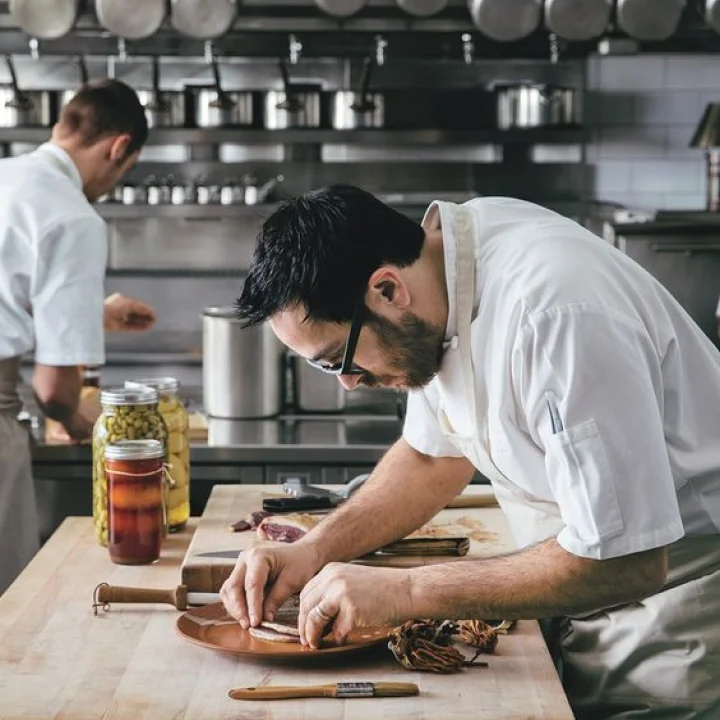
Dietary laws and practices
Dietary laws and practices reflect a diverse range of beliefs and values, emphasizing respect for life, purity, health, and communal solidarity. They significantly influence the eating habits and cultural identities of communities around the world.
These sets of rules dictate what adherents can and cannot eat and how food must be prepared.
Nestled in the heart of Granada Hills, CA, JeJe Mediterranean Grill exudes warmth and welcomes guests with open arms. With its cozy atmosphere, friendly staff, and a menu bursting with mouthwatering dishes, it's the perfect place to unwind and savor a delightful meal. Our diverse menu caters to every palate, whether you're looking for a leisurely dinner with loved ones, a quick lunch catch-up with friends, or a solo meal at the bar. JeJe Mediterranean Grill offers a relaxed setting where laughter flows as freely as the conversation. Come as you are, and leave with a satisfied heart, a full stomach, and a smile.

How To Understand if a restaurant fully Halal
To determine if a restaurant is fully or partially halal, consider these steps:
Inquire Directly: Ask staff about their halal practices, including the use of halal ingredients, prevention of cross-contamination, and alcohol service.
Menu Analysis: Look for menu items specifically labeled as halal. Partially halal restaurants often indicate which dishes comply.
Research Online: Check reviews, social media, or the restaurant's website for mentions of halal practices and offerings.
Community Insights: Seek feedback from community forums or social media groups where diners share their halal dining experiences.
Fully halal restaurants adhere to halal standards across all food preparation and typically do not serve alcohol, whereas partially halal establishments offer some halal options alongside non-halal items or alcohol.
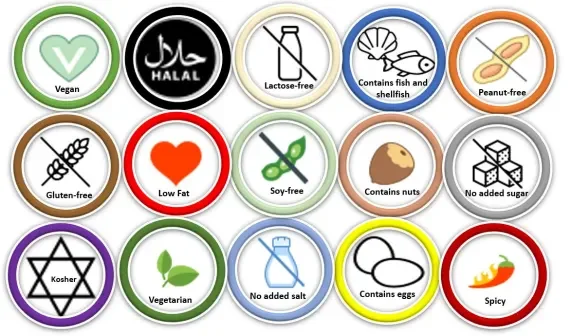
Dietary laws
What is Halal?
Halal, an Arabic word meaning "permissible," refers to what is allowed under Islamic law. In the context of food, it dictates what Muslims are allowed to eat and drink. The key principles include:
- Prohibition of Pork and Alcohol: Consumption of pork and its by-products, and all forms of alcohol, is strictly forbidden.
- Slaughter Requirements: Animals must be healthy at the time of slaughter and killed in the name of Allah. The blood must be drained from the veins.
- Avoidance of Contamination: Halal foods must not be prepared, processed, or stored using any appliance or container that has been contaminated with non-Halal substances.
What is Kosher?
Kosher, meaning "fit" or "appropriate" in Hebrew, is the set of Jewish dietary laws (kashrut) detailing which foods can be consumed and how they must be prepared. Key aspects include:
- Prohibited Animals: Certain animals, such as pigs and shellfish, are non-kosher and cannot be consumed. Only ruminants with split hooves that chew their cud are considered kosher.
- Slaughter Method (Shechita): Animals must be slaughtered by a skilled professional (shochet) with a swift, humane cut to the throat. Blood must be completely drained.
- Separation of Meat and Dairy: Meat and dairy products cannot be eaten together, prepared on the same utensils, or served on the same plates.
Apart from Halal and Kosher, there are other dietary laws and guidelines based on religious beliefs, cultural practices, and ethical considerations around the world. Here are a few notable examples:
Hindu Dietary Practices
- Vegetarianism: Many Hindus follow a vegetarian diet, avoiding meat, poultry, and sometimes fish, based on the principle of ahimsa (non-violence).
- Avoidance of Beef: Cows are considered sacred in Hinduism, making beef strictly prohibited for many Hindus.
- Fasting: Fasting on certain days of the week or during religious festivals is common among Hindus, with the specifics varying by region and community.
Buddhist Dietary Practices
- Vegetarianism: Many Buddhists adopt a vegetarian or vegan diet, following the principle of non-harm to living beings. This practice varies among different sects of Buddhism.
- Monastic Practices: In some Buddhist traditions, monks and nuns refrain from eating after noon and may have restrictions against specific foods, though these practices vary.
Jain Dietary Practices
- Strict Vegetarianism: Jains follow a very strict vegetarian diet that also excludes underground vegetables such as onions, garlic, potatoes, and carrots, to prevent harm to small organisms in the soil.
- Fasting and Purity: Fasting and purity of food are important aspects of Jain dietary laws, with an emphasis on non-violence and minimal harm to living beings.
Sikh Dietary Practices
- Langar: The Sikh community often participates in a communal meal called Langar, served at Gurdwaras (Sikh temples), which is vegetarian to accommodate all attendees.
- Personal Choice: While Sikhism does not explicitly forbid meat consumption, many Sikhs choose vegetarianism or abstain from halal or kosher meats, following the principle of equality and respect for all living beings.
Seventh-day Adventist Dietary Practices
- Vegetarianism: Many Seventh-day Adventists follow a vegetarian diet, which is encouraged by their church based on health and ethical considerations.
- Clean and Unclean Foods: Similar to kosher practices, Seventh-day Adventists may adhere to biblical dietary laws outlined in Leviticus, distinguishing between "clean" and "unclean" foods.
Rastafarian Dietary Practices
- Ital Diet: Rastafarians often follow an "Ital" diet, which is primarily vegetarian or vegan and aims to increase Livity, or life energy. The diet avoids processed foods, additives, alcohol, and sometimes salt.
Ethical Veganism
- Beyond Religion: Ethical veganism, while not a religious dietary law, follows a strict plant-based diet. It avoids all animal products and by-products, motivated by concerns for animal welfare, environmental protection, and health.
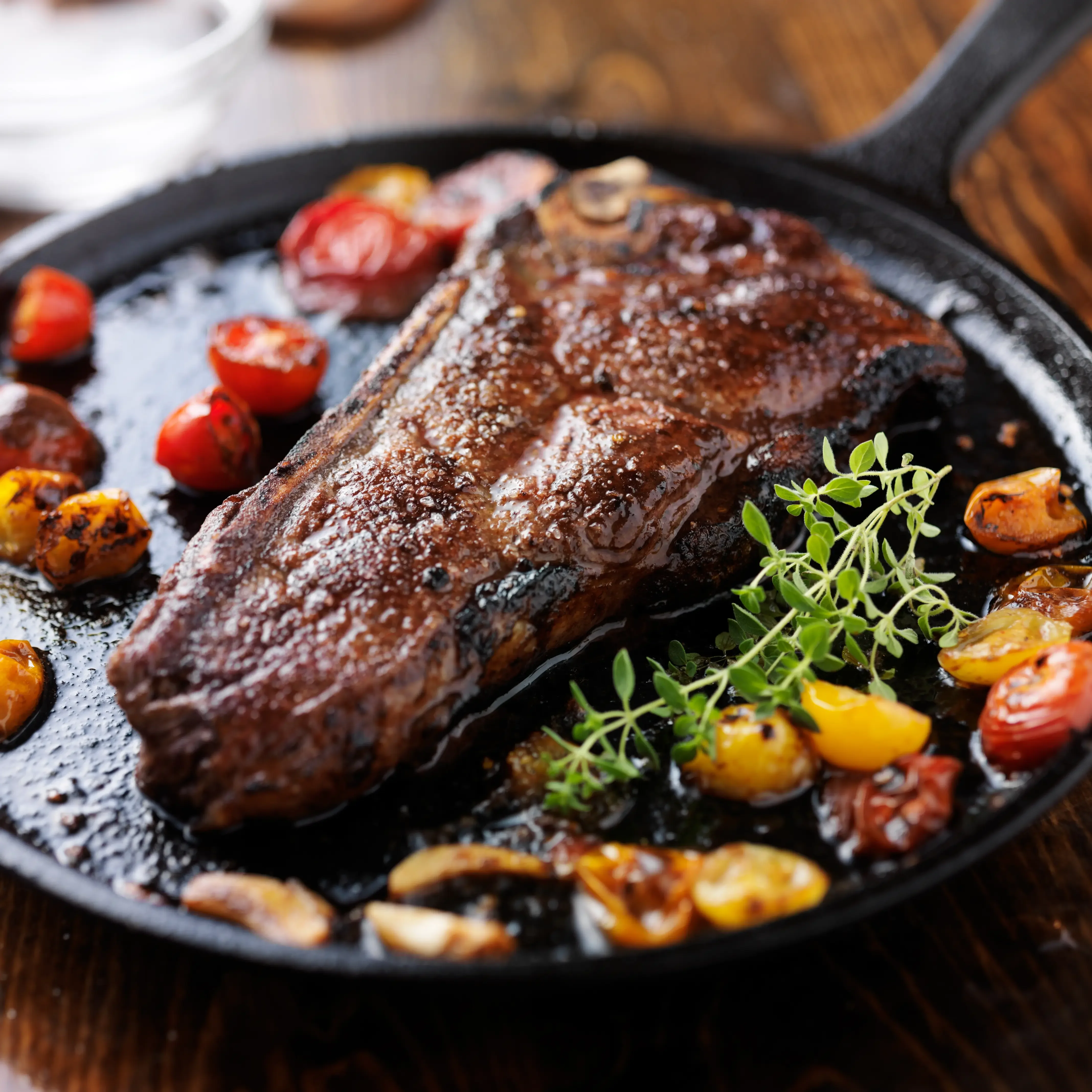
Satisfying Dinners